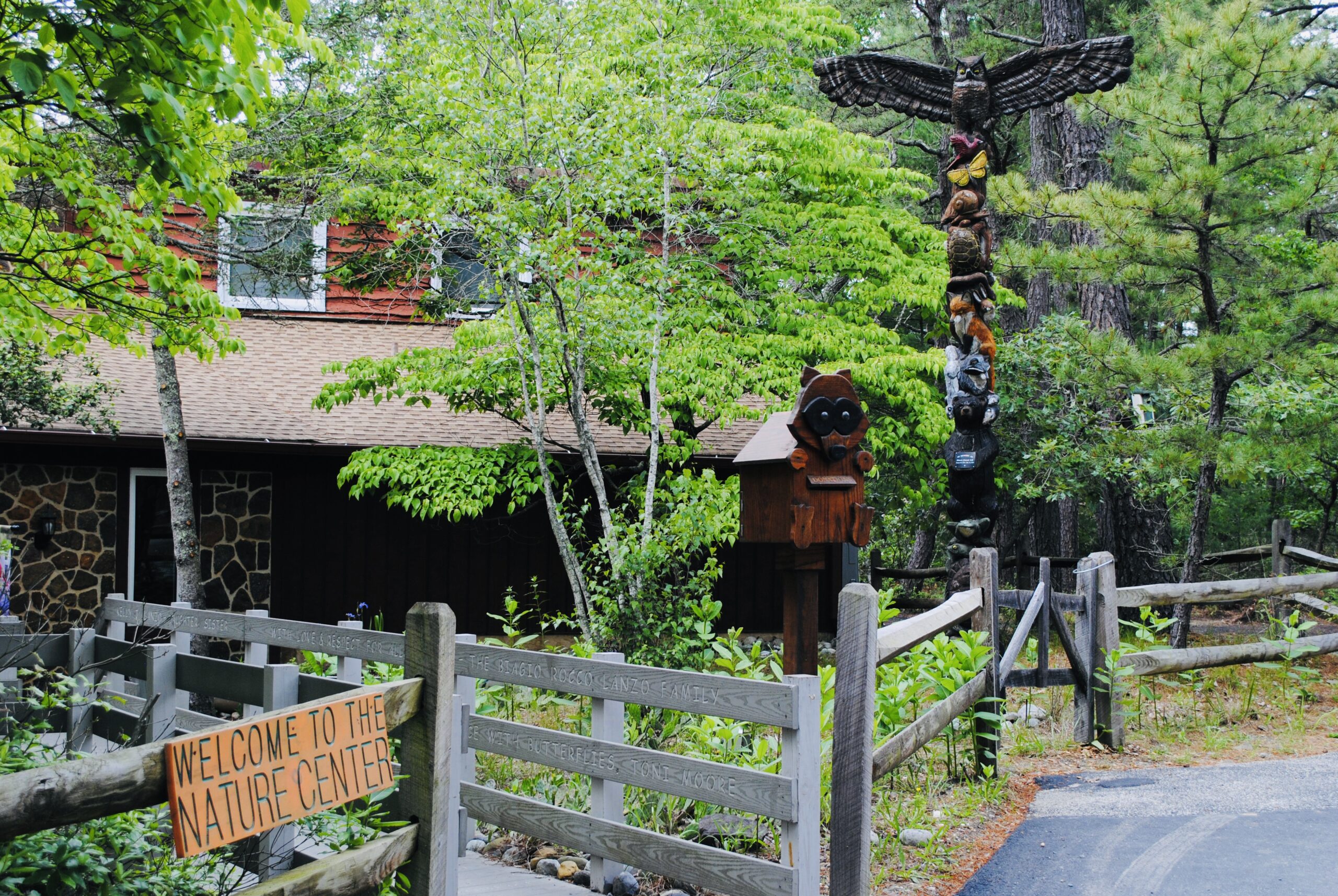
Deep in the woods in Burlington County there’s a place with a singular mission, but it’s one they carry out in many different ways.
If you’ve ever encountered a sick or injured wild animal that you wanted to help rescue, it’s likely you’ve at least heard their name. They are the Woodford Cedar Run Wildlife Refuge in Medford, and they are the largest and oldest wildlife rehabilitation center in South Jersey, if not the whole state.
Lisa Franco, Director of Development at the refuge, recently gave us a tour and told us all about what they’re doing, where they’d like to go in the future, and what they need to get there.
The sole purpose of the non-profit organization is to preserve New Jersey’s wildlife and their natural habitats.

A Little History
That’s been their mission for nearly 70 years, going back to 1957 when Betty and Jim Woodford opened Cedar Run on the 185-acre property they bought a few years prior.
Today, 171 of those acres have been preserved and the Woodford’s vision lives on.
Franco said the refuge’s rehabilitation program will see around 7,000 animals in need of assistance brought in each year.
The team at the center works to nurse their patients back to health so that they can be released back into the wild.
A Place to Stay
Sometimes though, the animals survive their injuries but end up staying on as permanent residents at Cedar Run.
“We only keep animals that absolutely cannot be released,” Franco said.
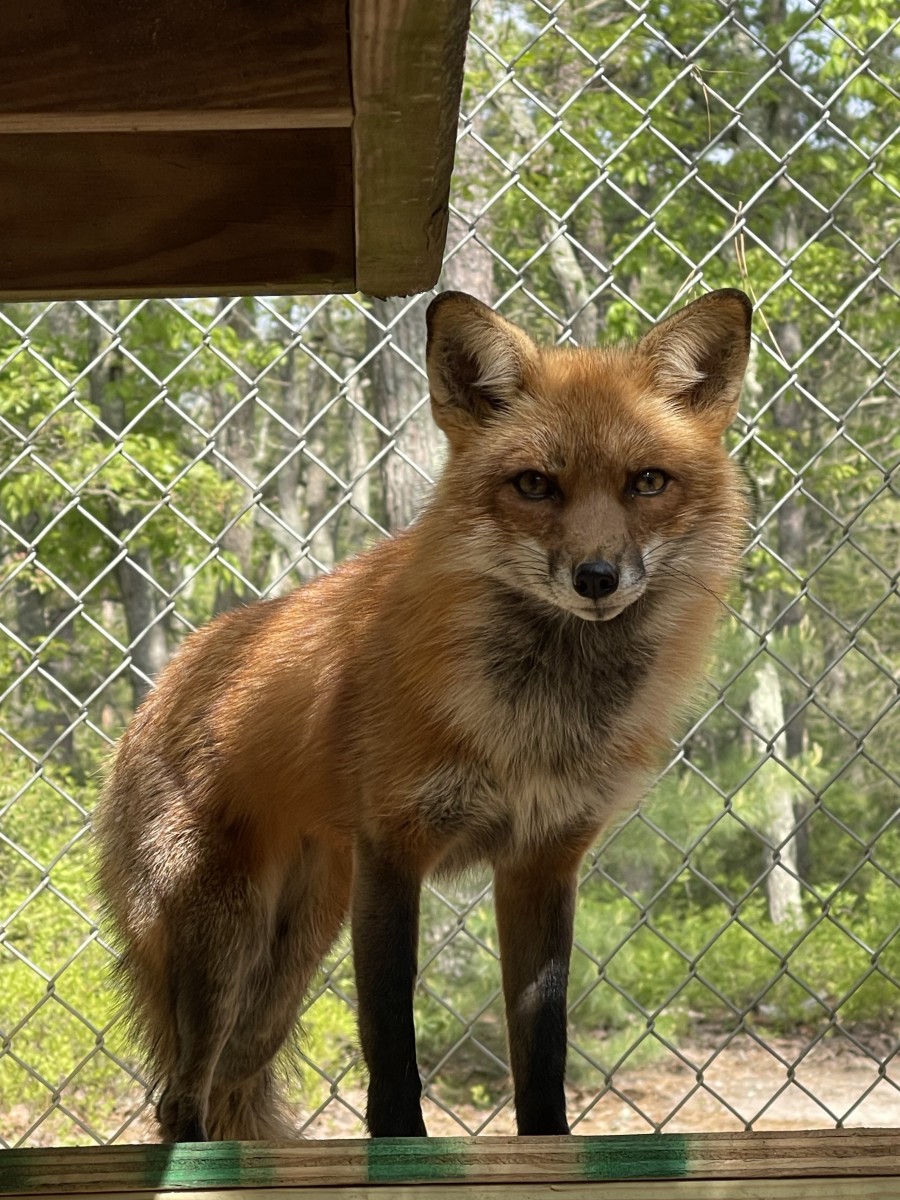
The refuge is currently home to dozens of resident animals that the public can come and see. Franco said the residents serve the purpose of educating the public about wildlife in New Jersey, the dangers they may face and what people can do to help.
Inside the visitor center you can visit with some of the refuge’s resident animals like Henry, an albino cardinal who has been at Cedar Run for over ten years. Franco said he’s a great ambassador for the organization as he loves to interact with visitors. He also loves Elvis, and Christmas music.
Or you can say hello to Tommy, the eastern box turtle who has called the refuge home since 1994. Tommy could not be released in the wild because he suffers from a bone disease that caused improper formation of his shell, which he can’t completely close. He also lost a leg during an animal attack.
Outside, you can observe animals in their individual enclosures, like Hoo-dini, a great horned owl, who suffered a broken wing as a fledgling and never developed the ability to fly, or Ember, the red fox who came to the refuge three years ago with a fractured leg.
“With our residents we do offer an adoption program as well,” Franco said. “You can symbolically adopt one of the native residents and help with their care – their food, their medicine.”
Some of the medications in particular can be rather pricey, Franco said, costing upwards of $600 per month.
Admission to the refuge is $10 for adults, $5 for children 4-12, and free for kids 3 and under.
A Look Ahead
One of their goals, Franco said, is to one day be able to offer free admission to the public, and be completely funded through other means.
But Franco said they don’t receive any public money to do what they do, and right now the admission price is one of their main sources of funding, along with memberships, donations and corporate sponsorships.
One aspect they’re working to increase, Franco said, is in the utilization of the refuge as an event space, which would add additional funding for the care of wildlife and their educational programs. They have areas outdoors that can be used for weddings and other celebrations, and indoor spaces that can be rented for parties, meetings, classes and other uses.
The refuge is constantly running educational programs and events and hosts school visits throughout the year. They also run a kids camp all summer long, and it typically sells out each year.
The cost of rehabilitating animals that have been dropped off due to being sick or getting injured is one of the biggest expenses for the refuge, and donations to fund their operations have unfortunately been decreasing, Franco said. They find themselves in the tough position of turning to someone who’s already doing a good deed by bringing in an animal in distress, and then also asking for financial assistance to help care for that animal.
“That’s one of our initiatives that we’re working on is to figure out how to get people to donate when they drop off an animal,” Franco said. “We like to make sure people know that we’re here as a resource, but that donations are very much encouraged.”
Franco said the organization is also currently trying to find the funding to bring on a full-time veterinarian and expand their medical capabilities.
“Our biggest goal right now is to be the full hub for wildlife in the area and have a brand new wildlife rehabilitation hospital where we can do a lot more and increase our release rate,” she said.
Franco said she’s proud to be working with such an incredible staff at Cedar Run who are full of energy and bringing in new ideas to continue the organization’s mission into a new age.
“I think we’re on the right trajectory,” she said. “We’re not so much trying to build into this bigger conglomerate. We’re just trying to sustain what we have and offer a lot more to the community.”
If you need information about bringing in an animal that needs assistance, or would like information about visiting or supporting Woodford Cedar Run Wildlife Refuge, visit them online at cedarrun.org.